Weddings are usually seen as joyful and romantic celebrations, but not every culture follows the same “normal” traditions we are used to. Around the world, marriage ceremonies can be surprising, unusual, and sometimes even completely bizarre to outsiders.
From strange rituals meant to test the strength of a relationship to cultural practices that look shocking at first glance, many wedding traditions carry deep historical or symbolic meanings. What may seem weird in one country is often considered very important and meaningful in another.
In this article, we’ll take a look at the Top 10 Weird Wedding Ceremonies from different parts of the world. Some will amaze you, some will confuse you, and others might even make you laugh—but all of them show just how diverse love and marriage can be across cultures.
Many of these unusual wedding traditions are practiced in different parts of the world and have deep cultural meanings behind them. According to global travel and culture research, wedding customs can vary greatly from country to country, and some may seem strange or surprising to outsiders. For more insights into unique wedding traditions and cultural practices around the world, you can explore trusted sources like BBC and National Geographic – Wedding customs & culture, which explain how diverse and fascinating wedding ceremonies can be across different cultures.
Related: Here are Top 10 Worst Education Systems in the World
10. Kidnapping Brides in Romania
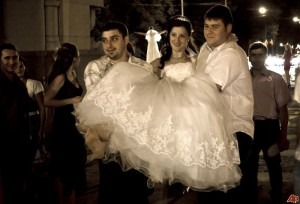
In some Romanian wedding traditions, a playful “bride kidnapping” is part of the celebration. During the wedding party, friends or family members may jokingly “kidnap” the bride and take her away from the venue. The groom is then asked to find her or complete funny tasks to bring her back.
Although it may sound serious or alarming, this tradition is completely symbolic and done in a fun, light-hearted way. It represents the groom’s love and effort to “rescue” his bride, proving how much he cares about her. Often, it ends with laughter, dancing, and celebrations when the bride is “returned.”
This unusual custom shows how some cultures turn weddings into playful events filled with humor, challenges, and memorable moments.
9. Beating the Groom in Korea

In some traditional Korean wedding customs, there is a strange and playful ritual where the groom’s friends symbolically “beat” his feet with sticks or even dried fish after the wedding ceremony. While it may sound harsh, it is actually done in a humorous and light-hearted way.
The tradition is meant to test the groom’s strength, patience, and character before he begins his married life. It is also believed to bring good luck and prepare him for the responsibilities of marriage. In reality, it usually ends in laughter, teasing, and celebration among friends and family.
This unusual custom shows how some cultures use funny and symbolic acts to add excitement and meaning to wedding celebrations.
8. Planned Crying in China

In some traditional Chinese wedding customs, crying is actually a planned and important part of the celebration. In certain regions, the bride is expected to start crying days or even weeks before the wedding as a way to show her emotions and respect for leaving her family home.
This “ritual crying” is not sadness in the true sense, but a symbolic expression of love, gratitude, and emotional bonding with her parents and relatives. In some traditions, even female family members join in, creating a heartfelt and emotional atmosphere.
What may seem unusual to outsiders is actually a deeply cultural practice that highlights the emotional transition from one stage of life to another, making the wedding more meaningful and traditional.
7. Toe Ring in India
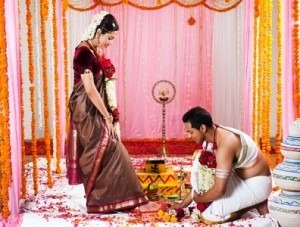
In Indian weddings, especially in Hindu culture, the groom places a toe ring (bichhiya) on the bride’s second toe during the marriage ceremony. This ritual is not just decorative—it holds deep cultural and symbolic meaning.
The toe ring represents the bride’s marital status, similar to a wedding ring in Western cultures. It is believed to bring good luck, fertility, and prosperity to the married couple. In some traditions, it is also linked to health benefits according to ancient Ayurvedic beliefs, as certain nerves in the feet are connected to the reproductive system.
This simple yet meaningful tradition shows how even small rituals in weddings can carry strong cultural significance and centuries of history.
Related: Here are Top 10 Most Populated Cities in the World 2025
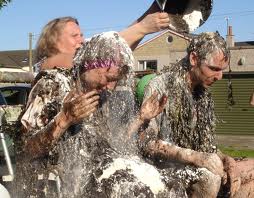
6. Humiliation of Bride in Scotland

In some parts of Scotland, there is a strange wedding tradition called the “blackening of the bride.” Before the wedding, friends or family members cover the bride (and sometimes the groom) with messy things like eggs, flour, soot, or sauce.
After this, the person may be taken outside and shown to others in a funny way. At first, it may look like humiliation, but it is actually done for fun and laughter.
The meaning behind this tradition is simple. It is believed that if a couple can handle this embarrassing moment together, they can handle any problems in married life. Today, it is mostly a fun activity before the wedding that brings friends and family together.
5. Polterabend in Germany
In Germany, there is a strange and fun wedding tradition called Polterabend. It usually happens one night before the wedding. Friends and family gather at the bride’s or groom’s home and break plates, cups, and ceramic items on the ground.
At first, it may look like chaos, but it has a special meaning. The broken pieces are believed to bring good luck to the couple. After breaking the items, the bride and groom clean everything together. This shows teamwork and how they will face problems in married life together.
It is a loud, messy, but joyful tradition
4. Human Animal Marriage in India
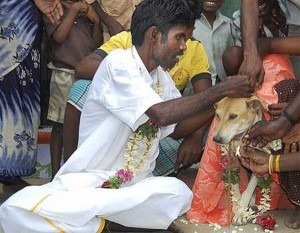
In some parts of India, there is a very unusual and traditional ritual where a person is symbolically “married” to an animal, such as a dog or a goat. This is not a real marriage like between two humans. It is a cultural belief done in specific communities for spiritual or superstitious reasons.
The main purpose of this ritual is to protect a person from bad luck, evil spirits, or health problems. After the ceremony, the animal is not treated as a real partner, and the person later marries a human in a normal wedding.
While it may sound strange, this tradition is based on old beliefs and cultural practices that are still followed in some rural areas.
3. Charivari in France
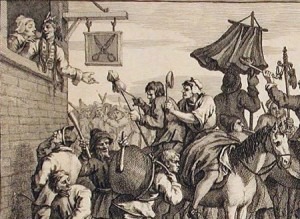
In France, there is a very old and strange wedding tradition called Charivari. In this custom, friends and villagers gather outside the couple’s home and make loud noise using pots, pans, whistles, and shouting.
At first, it may sound like chaos, but it was meant as a “fun test” for the couple. The noise continues until the couple comes out and gives food, drinks, or treats to the crowd. After that, everyone celebrates together.
In the past, this tradition was sometimes used to tease couples, but today it is mostly seen as a historical custom. It shows how weddings in different cultures can include loud and unusual celebrations.
2. Over Feeding the Bride in Mauritania
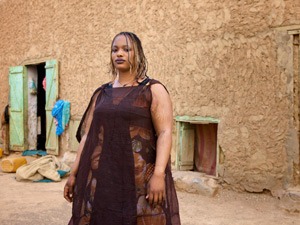
In Mauritania, there is a very weird wedding tradition where brides are encouraged to eat a lot before marriage. This practice is known as bride fattening.
In some communities, families believe that a heavier bride looks more beautiful and brings more respect to the family. Because of this, the bride may be given large amounts of food every day before her wedding. Sometimes, she is even encouraged to eat beyond her normal appetite.
While it may seem strange today, this tradition comes from old cultural ideas about beauty and status. However, in modern times, many people are slowly moving away from this practice due to health concerns.
1.Bathroom Ban in Malaysia

In some traditional communities in Malaysia, there is a very bizarre wedding custom where the bride and groom are not allowed to use the bathroom for a certain period after the wedding ceremony—usually for about three days.
During this time, the couple is closely watched by family members and given very little food and water. The belief behind this tradition is that it brings good luck, a strong marriage, and helps the couple stay loyal to each other.
Although it may sound extreme and strange, it is an old cultural belief followed in some areas. Today, many people consider it outdated, but it is still known as one of the most unusual wedding traditions in the world.
Related: Here are 10 Smallest Animals in the world