10 Smallest Animals in the world (Tiny but Real!)
Nature is full of surprises, and some of its most fascinating creatures are also the tiniest. From insects smaller than a grain of sand to mammals that can fit in the palm of your hand, the smallest animals in the world prove that size isn’t everything. These miniature wonders have evolved unique adaptations to survive in their environments, often going unnoticed by the human eye. According to National Geographic Animals, many of the smallest animals have unique survival abilities that help them live in extreme environments.
In this list, we’ll count down the 10 smallest animals in the world, including their size, habitat, and an image of each one—starting from #10 and working our way down to the tiniest living creature ever recorded.
Related: Here are 10 Most Expensive Dog Breeds in the world 2026
1. Dicopomorpha echmepterygis (Smallest Known Insect or Fairyfly)
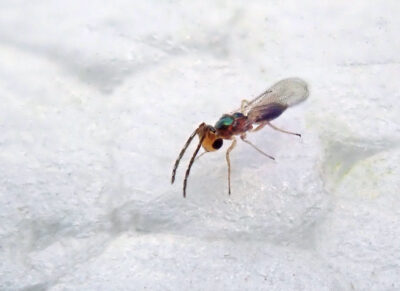
📏 Size: ~0.15 mm long (approximately 0.006 inches)
One of the smallest insects in the world, the fairyfly is a very tiny parasitic wasp. It is so small that it can fit on the head of a pin. These tiny creatures show how insects can survive at extremely small sizes and still live normal lives in nature.
You May Also Like this : Top 10 Rare Rainforest Birds
2. Fairyfly (Dicopomorpha echmepterygis)
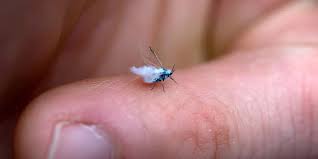
Size: ~0.15 mm long (approximately 0.006 inches)
One of the world’s smallest insects, the fairyfly is a parasitic wasp so tiny it can fit on the head of a pin. These minuscule creatures challenge our understanding of insect anatomy and have adapted extraordinary ways to function in extreme miniaturization.
3. Scydosella musawasensis (Featherwing Beetle)
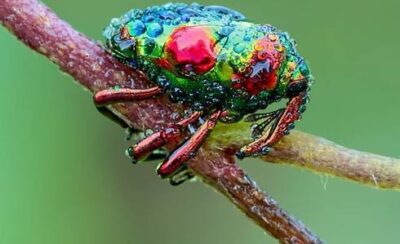
📏 Size: ~0.3 mm (0.012 inches)
This Colombian featherwing beetle holds the record as the smallest free-living insect. At just 0.3 mm, its tiny body is nearly invisible to the naked eye.
Related: Here are Top 10 Weirdest Looking Birds in the world (You Won’t Believe #1)
4. Paedocypris progenetica (Pygmy Fish)
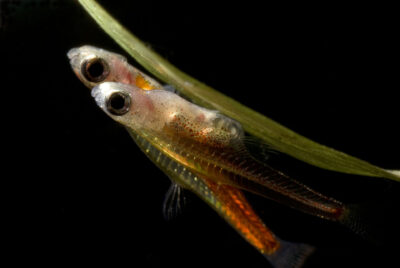
📏 Size: ~7.9 mm (0.31 inches)
From the peat swamps of Sumatra, this microscopic fish is one of the world’s smallest vertebrates—so small it lacks a full skull!
5. Paedophryne amauensis (Amau Frog)
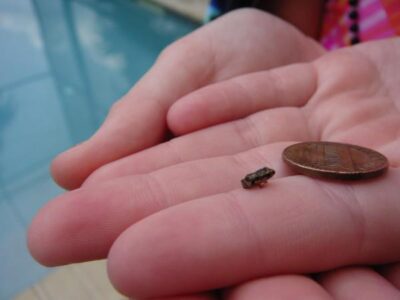
📏 Size: ~7.7 mm (0.30 inches)
Native to Papua New Guinea, this tiny frog is the smallest known vertebrate by length and weighs just 10 mg. It skips the tadpole stage and emerges as a miniature adult.
6. Brookesia nana (Nano‑Chameleon)
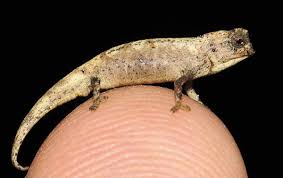
📏 Size: ~20 mm (0.8 inches) for males; females up to 30 mm (1.2 inches)
Found only in Madagascar, this nano‑chameleon is the smallest reptile ever recorded. Males weigh just a few grams. The Guardian
7. Mellisuga helenae (Bee Hummingbird)
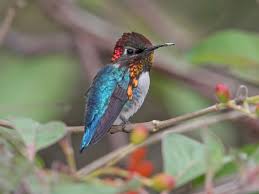
📏 Size: ~50–60 mm (2–2.4 inches), ~1.8 g weight
Native to Cuba, this bird is the world’s smallest bird species and the smallest warm-blooded vertebrate, weighing less than a dime.
8. Kitti’s Hog‑Nosed Bat (Bumblebee Bat, Craseonycteris thonglongyai)
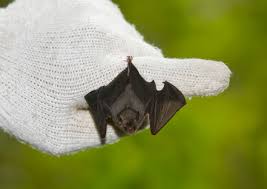
📏 Size: ~28–33 mm (1.1–1.3 inches), ~2 g weight
Often grouped with the Etruscan shrew, this bat is considered one of the world’s tiniest mammals by size and weight. It lives in limestone caves in Thailand and Myanmar.
9. Suncus etruscus (Etruscan Shrew)
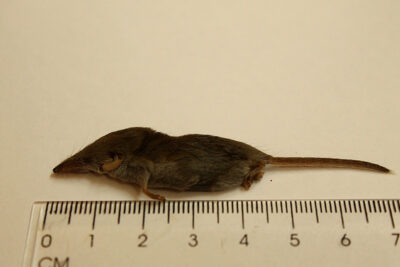
📏 Size: ~36–53 mm (1.4–2.1 inches), body weight ~1.8–2.7 g
Hailing from Europe, North Africa, and Asia, this shrew is the smallest mammal by mass, with a rapid metabolism and tiny heart.
10. Salpingotulus michaelis (Baluchistan Pygmy Jerboa)
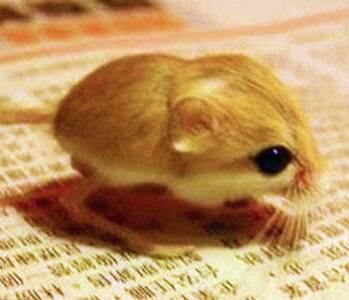
📏 Size: ~44 mm (1.7 inches) body length, tail ~75 mm, weight ~3.75 g
This tiny rodent from Pakistan and Afghanistan is the smallest described rodent in the world—so small it’s often compared to a kangaroo due to its long tail and hoppiness.
Why Smallest Animals Are Important in Nature
Many people think tiny animals are weak or unimportant, but the smallest animals play a huge role in nature. Some help control insects, while others support pollination and food chains. Without these miniature creatures, many ecosystems would not survive properly.
The smallest animals also help scientists study evolution, survival, and adaptation. Their unique body structures show how life can exist even at microscopic sizes.
Amazing Facts About the Smallest Animals
- Some smallest animals are so tiny they can sit on a grain of rice.
- The fairyfly can fly even though it is smaller than many single-celled organisms.
- The bee hummingbird lays eggs about the size of coffee beans.
- The Etruscan shrew eats almost twice its body weight every day.
- The nano-chameleon was discovered only recently in Madagascar.
- Many smallest animals live in forests, caves, and wetlands hidden from humans.
How Smallest Animals Survive
The smallest animals use special survival techniques to stay alive:
- Camouflage: Tiny creatures hide easily among leaves and soil.
- Fast Movement: Many move quickly to escape predators.
- Small Food Needs: They survive on very little food.
- Rapid Reproduction: Small animals often reproduce faster than larger species.
These adaptations help the smallest animals survive in difficult environments.
Threats Facing the Smallest Animals
Many smallest animals are at risk because of:
- Deforestation
- Pollution
- Climate change
- Habitat destruction
- Pesticides and chemicals
Protecting forests, rivers, and wetlands helps save these tiny species from extinction.
Fun Comparison of the Smallest Animals
To understand how tiny these smallest animals really are, here are some easy comparisons:
- The fairyfly is smaller than the tip of a pencil.
- The smallest frog can sit on a coin.
- The bee hummingbird is smaller than many butterflies.
- The pygmy jerboa can fit easily inside a human hand.
- Some tiny beetles are almost impossible to see without magnification.
These comparisons help readers imagine the real size of the smallest animals.
Interesting Scientific Discoveries About Smallest Animals
Scientists continue discovering new smallest animals in remote forests, caves, and oceans. Modern microscopes and research technology make it easier to study these tiny species.
Researchers believe there may still be thousands of unknown miniature animals waiting to be discovered around the world.
Smallest Animals and Biodiversity
The smallest animals are an important part of global biodiversity. They help maintain balance in ecosystems by:
- Controlling insect populations
- Supporting plant growth
- Feeding larger animals
- Recycling nutrients in soil and water
Without these tiny creatures, many ecosystems could collapse.
Why People Love Learning About Smallest Animals
People are fascinated by the smallest animals because they look unusual and almost unreal. Their tiny bodies, unique survival skills, and rare habitats make them some of the most interesting creatures on Earth.
Many wildlife photographers and scientists spend years studying these miniature species.
People Also Ask (PAA) Questions
What is the smallest animal ever discovered?
The smallest animal ever discovered is the tiny parasitic wasp called Dicopomorpha echmepterygis, measuring only about 0.15 mm long.
Which is the world’s smallest mammal?
The Etruscan shrew is the smallest mammal by weight, while the bumblebee bat is the smallest by skull size.
What is the smallest bird in the world?
The Bee Hummingbird from Cuba is the smallest bird species on Earth.
Which is the smallest reptile alive today?
The Brookesia nana, also known as the nano-chameleon, is currently the smallest known reptile.
Are smallest animals endangered?
Some smallest animals are threatened by habitat loss, pollution, climate change, and deforestation.
Best Places to Find the Smallest Animals
Many smallest animals live in hidden and remote environments such as:
- Tropical rainforests
- Swamps and wetlands
- Limestone caves
- Desert regions
- Forest leaf litter
- Small islands
Scientists often discover new miniature species in places humans rarely explore.
How Scientists Measure the Smallest Animals
Researchers use microscopes and precision tools to study the smallest animals. Because some species are almost invisible to the human eye, scientists rely on:
- Digital microscopes
- DNA analysis
- High-resolution photography
- Laboratory measurements
These methods help experts understand tiny animal anatomy and behavior.
Why Tiny Animals Are Important for Science
The smallest animals help scientists learn about:
- Evolution
- Miniature body structures
- Genetics
- Survival adaptation
- Ecosystem balance
Studying these tiny species can even help improve medical and technological research.
Conclusion
The smallest animals in the world are proof that nature does not need giant creatures to be amazing. From microscopic insects to tiny mammals and birds, these incredible species show how life can adapt in surprising ways. Even though they are small in size, their importance in the ecosystem is massive.
Learning about the smallest animals helps us better understand biodiversity and the hidden wonders of our
FAQs About the Smallest Animals in the World
1. What is the smallest animal in the world?
The smallest known animal is often considered to be Dicopomorpha echmepterygis, a tiny parasitic wasp also called a fairyfly. It measures only about 0.15 mm long.
2. What is the smallest vertebrate on Earth?
The Paedophryne amauensis, a tiny frog from Papua New Guinea, is the smallest known vertebrate. It measures around 7.7 mm in length.
3. Which is the smallest mammal in the world?
The Etruscan shrew is the smallest mammal by mass, while the bumblebee bat is considered the smallest mammal by skull size and body length.
4. What is the smallest bird species?
The Bee Hummingbird from Cuba is the world’s smallest bird. It weighs less than 2 grams and grows only about 5–6 cm long.
5. Which is the smallest reptile ever discovered?
The Brookesia nana, also known as the nano-chameleon, is currently the smallest reptile ever recorded.
6. Are these tiny animals dangerous to humans?
No, most of these miniature animals are completely harmless to humans. Many are shy, hidden creatures that play important roles in ecosystems.
7. Why are some animals so small?
Tiny animals evolve due to environmental adaptation, limited food resources, survival strategies, and habitat specialization. Small size can help them hide, reproduce quickly, and survive in unique environments.
8. What is the smallest fish in the world?
The Paedocypris progenetica, found in Indonesia’s peat swamps, is one of the world’s smallest fish and vertebrates.
9. Where can the smallest animals usually be found?
These animals live in diverse habitats including tropical rainforests, caves, swamps, deserts, and leaf litter across Asia, South America, Madagascar, and other regions.
10. Why are tiny animals important to nature?
Even the smallest animals are essential for ecosystems. They help with pollination, pest control, nutrient recycling, and maintaining biodiversity.
| Sr No. | Animal Name | Category | Approximate Size | Habitat |
|---|---|---|---|---|
| 1 | Dicopomorpha echmepterygis (Fairyfly) | Insect | 0.15 mm | Worldwide |
| 2 | Scydosella musawasensis (Featherwing Beetle) | Beetle | 0.3 mm | Colombia |
| 3 | Paedocypris progenetica (Pygmy Fish) | Fish | 7.9 mm | Indonesia |
| 4 | Paedophryne amauensis (Amau Frog) | Frog | 7.7 mm | Papua New Guinea |
| 5 | Brookesia nana (Nano-Chameleon) | Reptile | 20–30 mm | Madagascar |
| 6 | Mellisuga helenae (Bee Hummingbird) | Bird | 50–60 mm | Cuba |
| 7 | Kitti’s Hog-Nosed Bat (Bumblebee Bat) | Mammal | 28–33 mm | Thailand & Myanmar |
| 8 | Suncus etruscus (Etruscan Shrew) | Mammal | 36–53 mm | Europe, Africa & Asia |
| 9 | Salpingotulus michaelis (Baluchistan Pygmy Jerboa) | Rodent | 44 mm | Pakistan & Afghanistan |
| 10 | Leptotyphlops carlae (Barbados Threadsnake) | Snake | 100 mm | Barbados |
You can explore more scientific information on WWF Species Directory which includes detailed data about endangered and rare animals.
For verified animal facts and classifications, check Britannica Animal Encyclopedia which is one of the most trusted science sources.
Rare discoveries and wildlife research articles are also available at Smithsonian Magazine.
People Also Search For: 10 Incredible Firsts in the Evolution of Life on Earth