Top 5 Use Cases for Meshtastic Devices in 2026: The Future of Off-Grid Messaging
In 2026, Meshtastic devices are becoming an important tool for people who need reliable communication without relying on mobile networks, Wi-Fi, or the internet. Built on LoRa (Long Range) mesh networking technology, Meshtastic allows users to send encrypted messages, share GPS locations, and stay connected even in remote or emergency situations.
The growing demand for off-grid messaging solutions is driven by real-world challenges like natural disasters, network failures, privacy concerns, and outdoor exploration. Unlike traditional communication systems, Meshtastic creates a self-sustaining mesh network where each device helps extend the signal range, making it highly effective in areas with poor or no connectivity.
From emergency responders and rural communities to hikers, campers, and tech enthusiasts, the use of Meshtastic devices is expanding quickly in 2026. People are now seeing it as a practical and affordable way to build decentralized communication networks that work when everything else fails.
In this article, we’ll explore the top 5 use cases for Meshtastic devices in 2026, showing how this simple yet powerful technology is shaping the future of off-grid communication and real-world connectivity.
⚡ Quick Answer
Meshtastic devices in 2026 are mainly used for off-grid communication, allowing users to send messages and GPS data without internet or mobile networks using LoRa mesh technology. They are especially useful in emergencies, remote travel, rural areas, and DIY tech projects.
Related: Here are 5 AI Websites Paying You Daily in 2025
Why Meshtastic Matters in 2026
In 2026, communication reliability is more important than ever due to increasing natural disasters, network outages, and rising privacy concerns. Many people are now shifting toward off-grid communication systems that do not depend on mobile towers or the internet.
Meshtastic devices solve this problem by using LoRa-based mesh networking, allowing users to stay connected even in remote or emergency situations where traditional networks fail.
This makes it especially valuable for emergency responders, outdoor adventurers, and rural communities who need dependable communication in critical situations.
5. DIY Projects and Educational Innovation
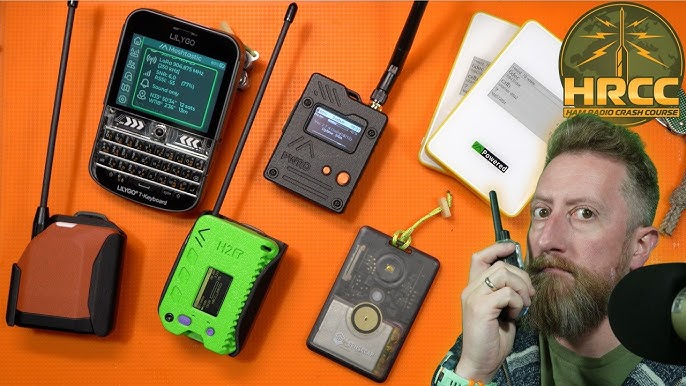
One of the most exciting developments around Meshtastic in 2026 is its growing popularity among hobbyists, educators, and students. As an open-source project, Meshtastic offers a playground for DIY tech enthusiasts and makers who want to learn about networking, wireless communication, and embedded systems.
Educational institutions are integrating Meshtastic into STEM curricula to help students understand real-world applications of radio waves, encryption, and mesh technology. Projects range from building long-distance chat systems to creating location-sharing beacons for outdoor school activities.
Makerspaces are buzzing with tutorials on how to integrate Meshtastic with Raspberry Pi, Arduino, and other microcontrollers. Popular YouTube channels now regularly feature how-tos for building weather stations, geofencing alarms, and even treasure-hunt-style games using LoRa-based networks.
4. Urban Backup and Privacy-First Messaging Networks
As cyberattacks and surveillance concerns increase, more people are seeking backup and secure communication alternatives within urban environments. In 2026, Meshtastic devices has emerged as a go-to solution for privacy-focused individuals, urban preppers, and community safety groups.
During political unrest, natural disasters, or large-scale power outages, Meshtastic nodes allow private and reliable communication over several kilometers. Encrypted, peer-to-peer messaging makes it nearly impossible for outsiders to snoop or censor the data. Even when the internet goes down, neighborhoods with relay nodes can remain fully functional in terms of local comms.
Privacy-conscious users often combine Meshtastic with VPN-like platforms or custom firmware to create ultra-secure networks. Urban dwellers are even integrating Meshtastic into home security systems, delivery services, and disaster prep plans.
3. Community Networks in Rural and Underserved Areas
Rural areas around the globe often suffer from lack of internet infrastructure, making communication and coordination a challenge. In 2026, Meshtastic is playing a pivotal role in bridging this gap.
Non-profit organizations, local governments, and tech volunteers are deploying Meshtastic devices in farming villages, mountainous regions, and underdeveloped communities. These networks help with everything from disaster warnings to agricultural coordination and school communications.
Because Meshtastic nodes can be solar-powered and run for weeks on battery packs, they’re ideal for remote installations. Some networks span over 15 kilometers, providing coverage for entire villages with only a few devices.
Teachers use the networks to send homework updates; farmers use them to coordinate irrigation or alert about wild animal sightings. All this happens without cell towers or expensive satellite data.
2. Off-Grid Travel and Outdoor Adventures
Whether you’re hiking in the Rockies, biking across the Karakoram Highway, or camping in the Sahara, staying connected with your team is crucial. In 2026, Meshtastic devices has become a must-have for adventurers and remote workers alike.
The devices let users send encrypted messages, broadcast GPS coordinates, and ping team members within long-range environments without needing a mobile signal. Unlike walkie-talkies, which require constant voice communication, Meshtastic allows text messaging and background geolocation updates—making it far more practical and battery-efficient.
Outdoor educators, wilderness guides, and expedition leaders are equipping teams with pre-configured Meshtastic nodes. These allow seamless communication across several kilometers, even in forests, canyons, or mountainous terrain. It’s also being used by van-lifers and digital nomads for remote team collaboration.
1. Emergency Preparedness and Disaster Relief
At the top of our list is Meshtastic’s life-saving role in emergency preparedness and disaster response. When the grid goes down—due to earthquakes, floods, wildfires, or hurricanes—Meshtastic provides the backbone for resilient, peer-to-peer communication.
In 2026, emergency responders, rescue teams, and preparedness communities are pre-installing Meshtastic nodes in neighborhoods, schools, and public shelters. When disaster strikes and cell towers are knocked out, these mesh networks kick in to allow location tracking, team coordination, and public broadcasting of critical alerts.
Because they are lightweight and run for weeks on a single charge, Meshtastic devices can be stored in go-bags, disaster kits, or solar-powered emergency boxes. In regions like California, Japan, and Pakistan—where natural disasters are common—Meshtastic has become a part of standard preparedness infrastructure.
Government agencies are also experimenting with integrating Meshtastic into early warning systems and emergency notification services.
Final Thoughts
Meshtastic is becoming a powerful solution for off-grid communication in 2026, especially at a time when people are looking for reliable alternatives to traditional mobile and internet-based networks. Its ability to create a decentralized mesh network using LoRa technology makes it useful in situations where normal communication systems fail.
From emergency response and disaster situations to outdoor adventures, rural connectivity, and DIY tech projects, Meshtastic offers practical real-world value. It is simple, low-power, and works independently of cellular infrastructure, which makes it even more important in today’s unpredictable world.
As more users adopt privacy-focused and resilient communication tools, Meshtastic is expected to grow even further in 2026. It is not just a tech hobby anymore—it is becoming a practical part of modern communication planning.
Overall, Meshtastic represents the future of decentralized, reliable, and off-grid messaging.
Meshtastic is an open-source project, and you can learn more about its official updates and documentation on the Meshtastic Official Website (https://meshtastic.org/), which explains how the technology works and how to get started.
FAQ: Meshtastic Use Cases in 2026
Q1. What is Meshtastic used for in 2026?
Meshtastic is used for off-grid messaging, GPS tracking, emergency communication, rural networking, outdoor expeditions, and DIY tech projects using LoRa mesh networks.
Q2. Does Meshtastic require internet or mobile networks?
No. Meshtastic works without internet, Wi-Fi, or cellular networks. It uses LoRa radio signals to transmit encrypted messages between devices.
Q3. How far can Meshtastic devices communicate?
Range depends on terrain and antenna setup. It can be a few kilometers in urban areas and up to 10–15+ km or more in open or elevated environments.
Q4. Is Meshtastic secure for private messaging?
Yes. Meshtastic supports encryption, making messages secure within the mesh network. Security still depends on proper setup and key management.
Q5. Can Meshtastic work during disasters?
Yes. It is widely used in emergency preparedness because it continues working even when cell towers and internet infrastructure fail.
Q6. Do Meshtastic devices need power constantly?
No. They are very low-power and can run for days or weeks on batteries. Solar setups are also commonly used for long-term deployments.
Q7. Is Meshtastic suitable for beginners?
Yes. It is beginner-friendly, especially for DIY users, students, and hobbyists interested in networking, electronics, and off-grid communication.
Top 5 Use Cases for Meshtastic Devices in 2026
Meshtastic vs Mobile Network vs Walkie Talkie
| Feature | Meshtastic | Mobile Network | Walkie Talkie |
|---|---|---|---|
| Internet Required | ❌ No | ✅ Yes | ❌ No |
| Range | High (mesh extended) | Unlimited (network-based) | Limited |
| Messaging | Text + GPS | Text + Calls | Voice only |