According to a new report based on data from SellCell, the iPhone 17 Pro Max has officially become the most traded-in smartphone in early 2026.
That’s a surprising milestone for a relatively new flagship device. Typically, older models dominate trade-in charts as users phase them out. Instead, the latest Pro Max is already generating heavy resale activity.
The numbers tell an interesting story — and they reveal how shifting upgrade habits, strong resale value, and massive sales volume are reshaping the premium smartphone market.
Here’s what the actual data shows — and what it means for buyers and upgraders.
The Real Data Behind the Trade-In Surge : iPhone 17 Pro Max
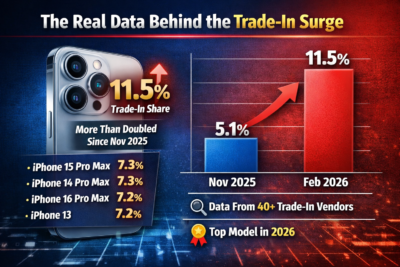
Let’s start with the facts.
- The iPhone 17 Pro Max is quickly becoming one of the most traded-in smartphones on the market. Recent data shows it now accounts for 11.5% of all devices appearing in the top-20 trade-in rankings. Just a few months earlier, in late November 2025, its share stood at only 5.1%. This sharp jump means the phone’s trade-in presence has more than doubled in a very short time. The figures were compiled by tracking activity across roughly 40 independent buyback vendors, highlighting a strong and growing upgrade cycle among users.
To put it into perspective, older models like:
1. Strong Resale Value Encourages Early Trade-Ins
One of the biggest factors behind the surge in trade-ins is simple: value retention.
The iPhone 17 Pro Max has lost only about 25.4% of its value since launch, measured over roughly 145 days in mint condition. That’s a solid performance in the premium smartphone market.
By comparison, the previous generation dropped around 32.5% during the same ownership window. This gap is significant and shows the newer model is holding its resale value much better.
In practical terms, the iPhone 17 Pro Max is retaining roughly $95 more value than its predecessor did at the same point in its lifecycle. Right now, the average resale price sits near $967.50 for a mint-condition unit.
For savvy buyers and upgraders, the takeaway is clear:
- Trade early
- Recover more money
- Upgrade strategically
Timing the trade-in window correctly can make a noticeable difference in how much value you keep when moving to the next device.
You May Also Like This : 7 Rumors & Specs About Apple’s Foldable iPhone Leaking Before 2026 Release
2. Buyers Are Upgrading Faster Than Ever
Another clear trend is the accelerating upgrade cycle.
Smartphone buyers — especially premium iPhone users — are no longer holding onto their devices for as long as they once did. Rapid improvements in cameras, AI features, battery efficiency, and performance are giving users more reasons to switch sooner.
At the same time, strong resale values are reducing the real cost of upgrading. When owners know they can recover a large portion of their phone’s value, waiting an extra year often feels unnecessary.
The result is a faster upgrade loop:
- New features arrive
- Resale value remains strong
- Users trade in earlier
- Upgrade cycles shorten
For the iPhone 17 Pro Max, this trend is clearly visible. More owners are choosing to refresh their devices within the first year — and that momentum is helping drive its rising presence in trade-in rankings.
3. Premium Model Sold in Massive Numbers
Another simple reason behind the spike is pure volume.
The Pro Max variant traditionally sells in very high numbers. When millions of users buy the same premium model, even a small percentage deciding to trade in can create massive market activity.
Industry data consistently shows the Pro Max is Apple’s best-selling single iPhone model, capturing about 26% of total iPhone sales in recent CIRP reports.
In some periods, individual Pro Max models have even topped global shipment rankings, with tens of millions of units sold worldwide.
The math is simple:
- High sales volume
- Large installed base
- More devices entering the resale market
High sales naturally translate into high trade-in activity — and that’s exactly what we’re seeing with the iPhone 17 Pro Max.
4. Strategic Consumer Behavior
Smartphone buyers today think differently.
They don’t see a phone as a five-year device anymore. Many treat it like a short-term investment. Buy at launch. Use for several months. Trade while resale value remains strong.
The data supports this behavior shift.
5. Competitive Market Pressure
With competition heating up and innovation moving fast across the smartphone industry, many users are starting to plan their next move sooner than before. New features, camera improvements, and AI capabilities are pushing upgrade cycles to shorten.
Even among loyal Apple users who plan to stay within the ecosystem, trading in early often makes clear financial sense. Devices typically lose value fastest in the first year, so acting sooner helps owners recover more of their original investment.
For many buyers, the strategy is simple: maximize resale value today to reduce the real cost of tomorrow’s upgrade.
6. It’s Not a Weak Phone — It’s a Strong One
Here’s the interesting part: phones don’t become heavily traded in because they’re bad — they become popular trade-ins because they hold strong value.
When a device performs well in the resale market, owners know they can recover a large portion of what they originally paid. That makes the decision to upgrade much easier and less risky.
Strong secondary-market demand keeps resale prices healthy, which in turn makes trade-ins more attractive. Buyers feel confident they won’t lose too much money, so they’re more willing to upgrade sooner.
That confidence is what fuels the entire cycle — and right now, the iPhone 17 Pro Max is right at the center of it.